
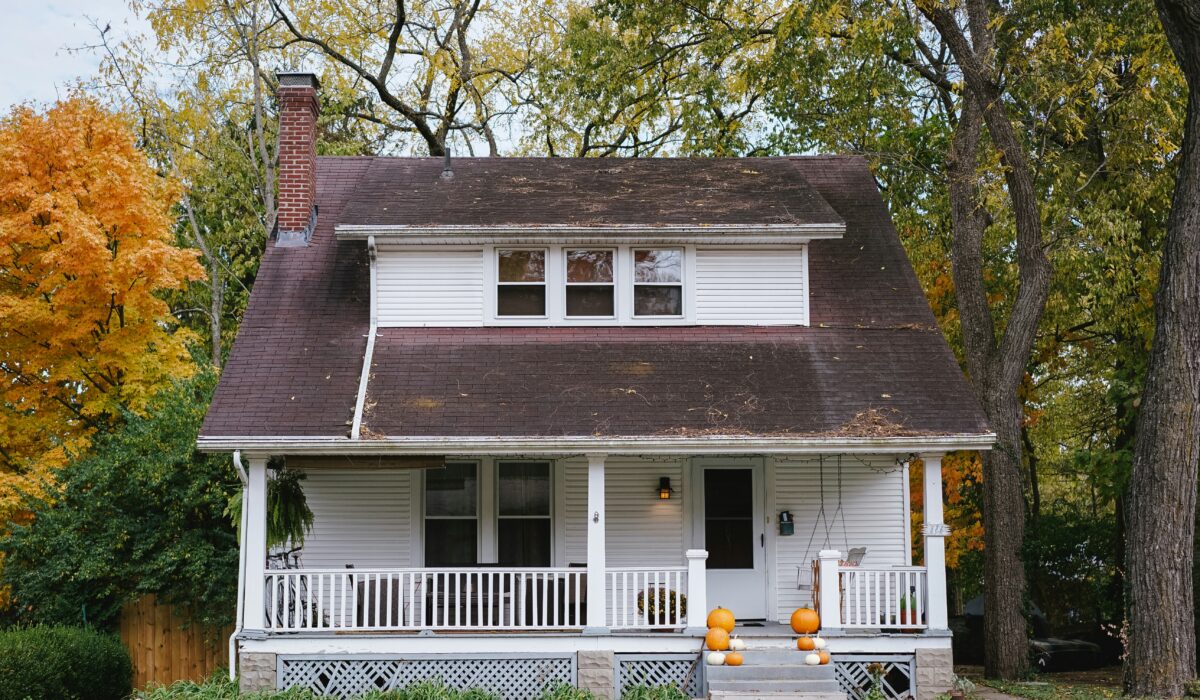
Most South Jersey homeowners go through the summer months without noticing anything wrong with their roof. Even after several summer storms, your roof may look visually fine. However, the rain, wind, branches, and occasional hail experienced in South Jersey can cause damage that accumulates, worsening over time. Then the cooler months hit, including the first freeze, and you start to notice that something is wrong.
If you experienced strong summer storms, it is best to assume that your roof may have tiny cracks or punctures that could cause problems down the line. When fall arrives, schedule a roofing inspection so that a skilled roofer can address your concerns before snow starts to fall.
Key Takeaways
- Summer storms in South Jersey can cause damage that accumulates over time. A raised shingle or a lifted piece of flashing can let in water that eventually leads to leaks.
- Damage caused by summer storms is often overlooked. Loosened hardware or shingles, broken seals, and damaged gutters do not cause immediate damage but instead deteriorate. Issues may not be seen until later in the year, typically around fall.
- Homeowners should know the signs of summer storm damage. It includes missing, loosened, or cracked shingles; loose flashing; clogged or sagging gutters; and leaks within the house.
- If damage is visible, call a roof inspector in South Jersey. When caught early, one cracked shingle or aged section of flashing can be replaced rather than requiring repairs. A detailed inspection can help answer your questions.
Why Summer Storm Damage May Be Easily Overlooked
Repeated summer storms and humidity have a way of creating issues that aren’t immediate leaks. Consistent moisture can accelerate roof wear and tear, leading to materials that are more susceptible to wind, rain, and impact damage.
Strong winds can lift shingles and flashing. Granules may loosen when hail strikes a shingle or when a branch falls. Unfortunately, these problems can worsen over days and months until you end up with a yellow-brown stain on the ceiling.
Remember: Not every storm is going to cause major damage. However, the potential for minute issues that stack is always there.
The Types of Summer Storm Damage That May Go Unnoticed Until Fall
Homeowners are encouraged to learn the signs of damage so that issues do not go unnoticed for long. Here are five things to keep an eye out for, as well as what they may mean for your roof:
1. Lifted, Missing, or Damaged Shingles
The roof on your home is largely composed of shingles, meaning they will take the brunt of the damage during summer storms. Shingles are held down with hardware that can be loosened and lifted from the material during strong gusts. Branches that strike the shingles can shear off granules, gouge holes, and tear sections that were lifted by the wind.
In the aftermath of a storm, look for sections of missing or cracked shingles, uneven roof lines, and exposed underlayment. You may also notice that some sections look worn or darker, which may indicate water intrusion.
Keep in mind that a damaged shingle or two is repairable. If the lifting or storm-related damage is more widespread or severe, you may need a replacement.
2. Granule Loss
Granule loss is not a huge red flag in most cases. Shingles shed their granules over the years, so it is common to notice a little bit after a storm or in the gutter. The problem begins when the granule loss is significant. If you notice granules around the downspout, as well as signs of damaged shingles, it is a sign that you may need a roofing inspection.
3. Gutter Debris and Drainage Problems
Granules, leaves, twigs, branches, and other matter may collect on the roof, particularly in areas with a lot of tree cover. Should organic materials build up along the roof valleys or collect around the drain, there is an increased risk of clogging. A clogged gutter can’t function properly and send water away from the roof and your foundation. In turn, that water may back up along the roof edge, soffits, fascia, and siding.
Gutters can also be damaged or succumb to aging. This looks like sagging, bending, pulling away from the roofline, and rusting around the seams.
Be on the lookout for sections of gutter that overflow during a storm. If you notice a cascade of water, you may have a clogged gutter. It’s essential to take care of this quickly, as water that pools around the foundation can damage it.
4. Flashing, Vents, and Roof Penetrations
Roof leaks do not commonly start in the middle of roof. More commonly, they develop where there is a roof transition or penetration. This includes:
- Chimneys
- Skylights
- Wall flashing
- Pipe boots
- Vents
- Valleys
Areas around flashing—pieces of metal used to close gaps between penetrations or transitions and shingles—are often held down with hardware and seals. Temperature fluctuations over the years can lead towards hardware and seals aging, cracking, and weakening. Often, these weakened areas may allow for water to intrude, particularly during storms with strong winds and driving rain.
Most flashing repairs, if caught early, can be repaired.
5. Attic Moisture and Water Damage
Storm-related damage may also show up within your home. For South Jersey homes with attics, the condition of the insulation will tell you a lot. If you spot damp insulation, smell a musty odor, or notice ceiling stains and bubbling paint, you may have a roof leak.
Leaks can begin and end in different regions of the house. Therefore, if you notice any moisture or recurring dampness in the attic or the basement, a professional inspection should be conducted to find the issue. This should be done before winter, since temperature changes can worsen the problem.
When Should You Call for a Roof Inspection in South Jersey
Summer storms can cause varying levels of damage. After a severe storm, any sign of missing shingles, granules in the gutter, loose flashing, or attic moisture should be reported to a roofing company as soon as possible. Even if you don’t see any major damage, it may still be wise to schedule an inspection, especially if you have an older roof.
As expressed in previous sections, damage can be hard to spot. Even a tiny rift between a loosened nail and a shingle is enough for water to seep into your roof.
In short, anytime you are concerned about the condition of your roof is when you should contact a roofing contractor in South Jersey like T.A. Hughes III. With over 45 years of experience, our team can spot issues that would otherwise go unseen and repair them before winter arrives.
Frequently Asked Questions
Is the question you need answered not here? Give us a call or send us a message.
What can summer storms do to a roof?
Summer storms can produce strong winds, torrential rain, hail, and cause branches to fall onto a roof. All of these can damage shingles, flashing, seals, and gutters.
How do you know when a roof has summer storm damage?
During a visual inspection, you may notice that shingles are missing or torn, excess granules in gutters or around downspouts, dents on metal surfaces, ceiling stains, or debris in the valleys and gutters.
If there is visible damage after a storm, should you call a roofer?
Yes, a trusted roofer can inspect your roof to determine the extent of the damage and then provide you with an estimate for the repairs.
Does every damaged roof need to be replaced?
No. This is why it is important to have your roof inspected after a summer storm. Some damage can be quickly repaired, such as a missing shingle. Other damage may require more extensive work. The right option for your roof depends on its age, condition, and damage history.
Can routine maintenance help with storm damage?
Yes. When you routinely maintain your roof—cleaning gutters, patching damages—your roof is better equipped to handle South Jersey storms. T.A. Hughes III can help.
Final Thoughts: Don’t Leave Summer Damage for Fall
Summer storms do more than bring rain; they can also cause roof damage. Lifted and cracked shingles, clogged gutters, attic moisture, and flashing damage can all be attributed to downpours and strong wind. While not every room is going to need extensive repairs after a storm, it is important to catch even small issues before fall. Now that you know how damage can be missed, keep your eyes on the roof, and call T.A. Hughes III if you notice anything.
We’ve been serving South Jersey communities for over 45 years. Our experienced team will help you understand exactly what needs to be done.