
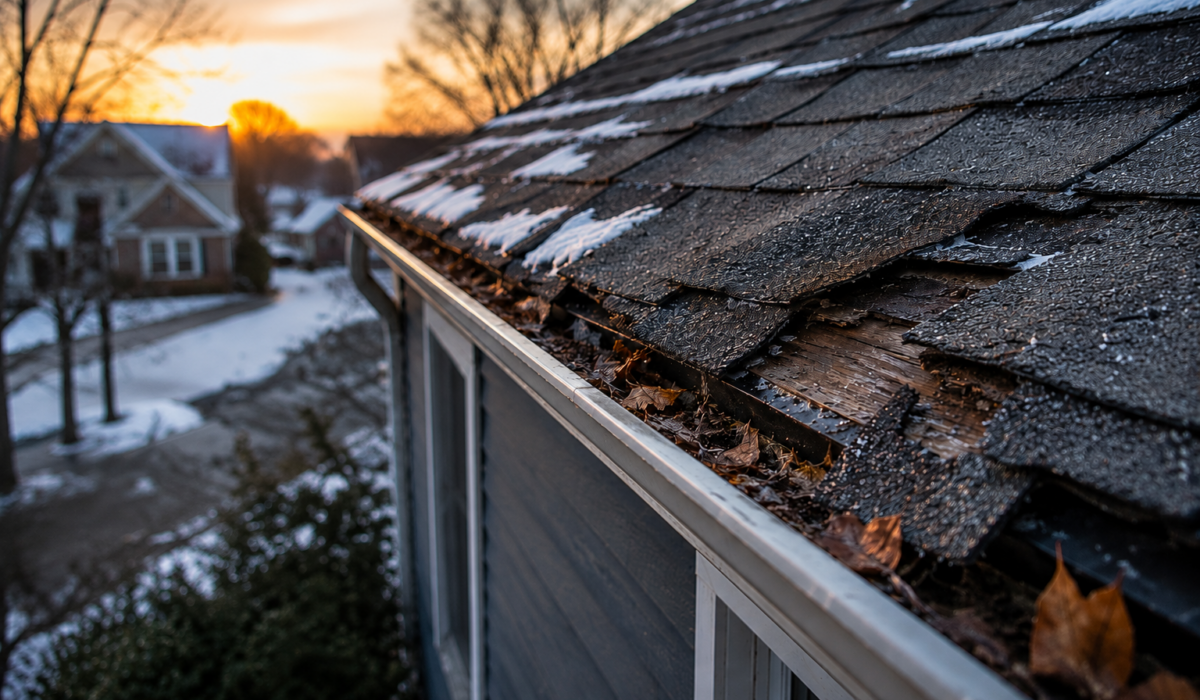
Don’t wait for the first winter storm to find out you have a roof problem. Once snow falls, any existing roof problems will be placed under additional stress. In other words, small issues, like a minor crack in your shingles, could widen and let in water during snow or freeze-thaw cycles. As a homeowner, one way to curtail these issues is to perform pre-winter inspections. When problems are found early, they are more easily repairable and accessible.
At T.A. Hughes III, we’ve been aiding South Jersey residents and businesses with roofing repairs and replacements for over 45 years. Tell us if you see any of the problems during a visual inspection. We’ll get your roof patched up.
Key Takeaways
- Look for roof damage before winter arrives. Missing or damaged shingles, deteriorating flashing, sagging areas, leaks, and persistent moisture can all indicate a problem.
- Not every roofing problem requires replacement. Localized damage, such as a few damaged shingles or flashing issues, may be repairable.
- Winter can make existing problems harder to address. Snow, ice, and freeze-thaw cycles can place additional stress on vulnerable areas of your roof.
- A pre-winter inspection can help you plan ahead. If you notice warning signs, a professional inspection can help determine whether your roof needs maintenance, repairs, or further evaluation.
Why Roof Repairs Matter Before Winter in New Jersey
During the winter months, any existing damage may be harder to spot, especially when snow, rain, and fog obscure your roof. That’s why it’s recommended to conduct inspections in the spring and autumn, when the weather is more predictable and fair. Otherwise, some issues may go unnoticed, leading to water entering the home over a prolonged period.
Additionally, overlooking damage means that cracks and other weak points will be susceptible to freeze-thaw cycles. As water enters vulnerable areas of the roof, it will freeze, widening the gap. This is a gradual process that can eventually lead to larger sections of compromised roofing components.
Lastly, locating a problem in August, September, or October provides more options than discovering the same leak, for example, during a winter blizzard.
8 Signs Your Roof May Need Repairs Before Winter
When you know what to look for, you can get pre-winter repairs done swiftly. Here are 8 signs to keep an eye out for whenever you’re doing a visual inspection:
1. Missed, Cracked, or Damaged Shingles
A damaged shingle is a weak link in an otherwise strong system—but that doesn’t mean you automatically need a total roof replacement. Broken, cracked, or missing shingles create opportunities for water to infiltrate the underlayment of your roof. After a storm, look for any visibly damaged areas on the roof. These places should be repaired as soon as possible to prevent the damage from spreading.
2. Curling, Lifting, or Buckling Shingles
A curled or lifted shingle shows another kind of damage. When shingles start to lift away from the roof, it often means there is a ventilation issue. Trapped heat causes accelerated aging, weakening your roof from the inside out. Where there is a ventilation problem, there is also an increased risk of ice dam formation in the winter. If you notice any curling shingles, schedule a roof inspection.
3. Damaged or Deteriorating Flashing
Flashing is a thin material placed around roof-to-wall transitions and penetrations, which are generally vulnerable to leaks. The flashing helps direct water down to the valleys, drains, and gutters around a building. When damaged, the flashing may crack or lift away from the roof, creating vulnerable sections.
4. Granules Collecting in Gutters
Although shingles shed their granules—the reflective part of the roof—as they age, spotting an excessive amount in the gutters and around downspouts points to a serious problem. However, this does not mean your roof is nearing the end of its lifespan. Rather, it is proof of damage. During a storm, for example, a branch may have struck the roof, scraping off the granules. If you notice granules, consider a more thorough inspection.
5. Sagging or Uneven Areas on the Roof
One of the more visible signs of an aging roof is a visible sag in the surface. Any unusual dipping may indicate that the underlying structure is beginning to weaken and warrants a professional inspection before your roof has to bear the load of snow and ice.
6. Water Stains or Signs of Previous Leaks
If you notice any of the following signs, you may have a persistent leak:
- Brown or yellow ceiling stains
- Damp attic insulation
- Moisture around roof penetrations
- Recurring leaks after rain
These will be more noticeable after a period of rain or snow. Keep in mind: a stain that is dry doesn’t mean that the underlying problem has resolved. It takes time for a slow leak to make its way through the internal structure of a house.
7. Moss, Algae, or Persistent Moisture on the Roof
Although algae stains and moss on a roof can cause moisture retention, they do not automatically mean that you have a roof leak. Rather, it points to an issue that may be unavoidable: prolonged exposure to moisture. Living in humid locations, such as close to water, can increase the risk of moss and algae formation on your roof.
The problem begins when your roof remains dry for longer than it should. While roofing materials are designed to shed water, they cannot withstand continuous dampness and will break down.
8. A Roof That Is Nearing the End of Its Expected Service Life
The average asphalt shingle roof lasts about 20 to 25 years, depending on the location, materials, and frequency of upkeep. If your roof is older and has several visible problems, like the ones mentioned above, be sure to schedule an inspection before winter arrives.
Signs You May Need Roof Repair in South Jersey
While it is important to know the signs that you need an inspection before winter arrives, it’s equally essential to know when to call for roof repair. Not every problem warrants a roof replacement, and getting a repair done before the problem progresses prevents premature replacement in newer roofs.
A few damaged shingles, localized flashing damage without leaks, and minor gutter issues can be fixed swiftly. The extent of the deterioration matters, which is why roof inspection is as important as maintenance. Once you know the nature of the issue and how extensive it is, you can make an informed decision.
On that note, you may need more than a simple repair if the following problems are noticeable or found during an inspection:
- Widespread shingle deterioration
- Extensive recurring leaks
- Significant roof deck damage
- Advanced roof aging combined with multiple failures
- Extensive storm damage
- Persistent moisture problems
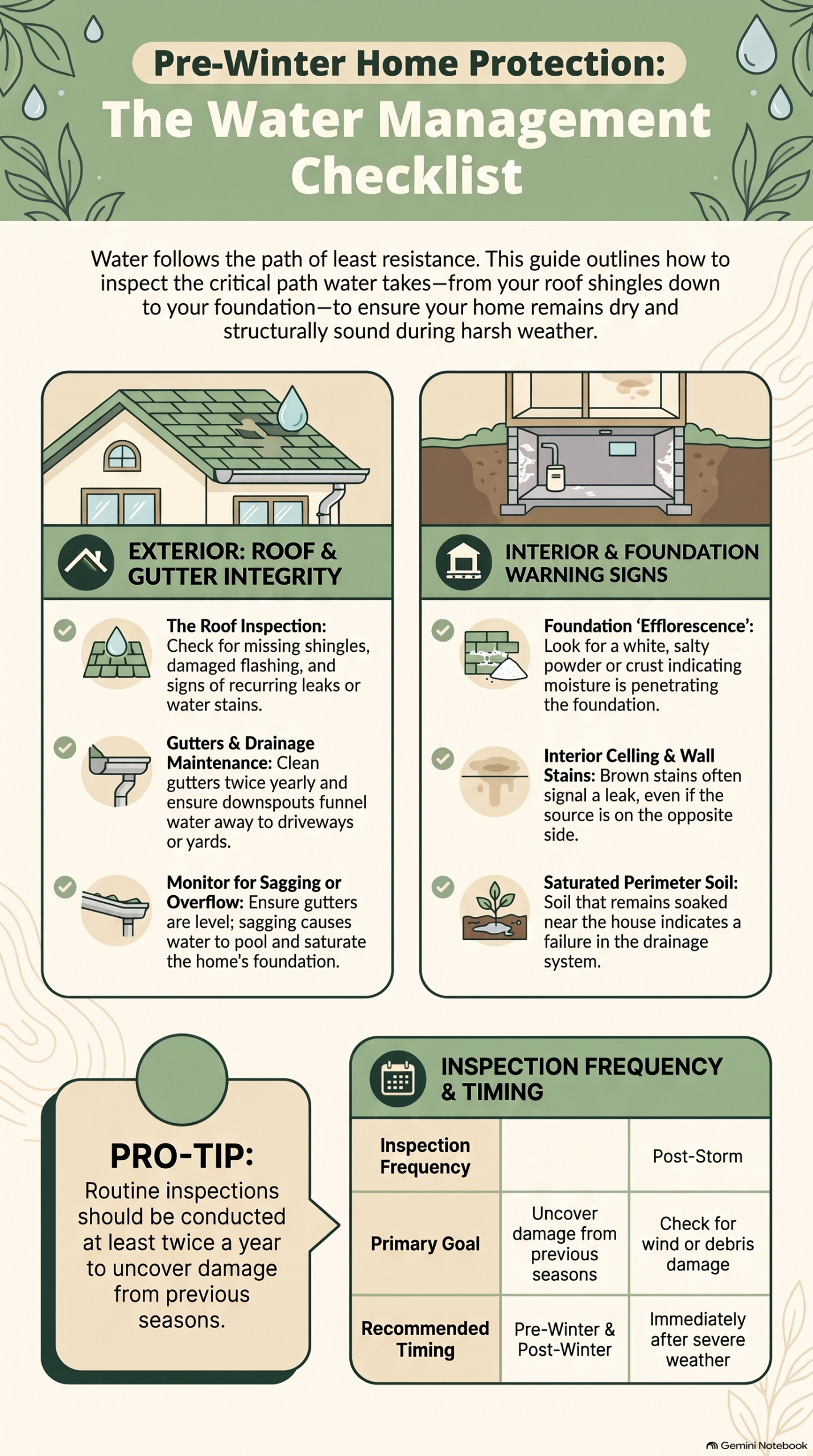
What New Jersey Homeowners Should Check Before Winter
Here is a concise pre-winter inspection checklist:
Roof
- Missing or damaged shingles
- Curling/lifting shingles
- Damaged flashing
- Sagging areas
- Signs of previous leaks
- Excessive granules
Gutters & Drainage
- Gutters are clear
- Downspouts are attached
- No obvious overflow
- Water isn’t pooling against the home
Interior/Attic
- No new ceiling stains
- No unexplained moisture
- No obvious damp insulation
Remember: You can perform a visual inspection from the ground, attic, or another safe location. Climbing onto the roof isn’t necessary to identify whether there are issues a professional roofer will need to repair. If you do notice any problems, consider calling a South Jersey roofer like T.A. Hughes III.
Frequently Asked Questions
Preparing your roof before winter can help you identify potential problems while there is still time to address them.
How do I know if my roof needs repairs before winter?
Look for warning signs such as missing or damaged shingles, curling or lifting shingles, damaged flashing, recurring leaks, water stains, sagging areas, or other visible signs of deterioration. If you’re unsure about your roof’s condition, a professional inspection can help determine whether repairs are needed.
Can a few damaged shingles be repaired without replacing the entire roof?
In some cases, yes. Localized damage may be repairable without replacing the entire roofing system. The appropriate solution depends on the extent and location of the damage, as well as the overall condition of the roof.
Should I have my roof inspected before winter in New Jersey?
A pre-winter inspection can help identify existing damage or areas of concern before cold weather, snow, and ice make roofing problems more difficult to address. It can also help you determine whether your roof needs maintenance, repairs, or further evaluation.
What happens if I discover a roof leak during winter?
A winter roof leak should be evaluated as soon as practical to determine where the water is entering and whether additional damage has occurred. Learn more about handling roof leaks and what to do when you discover one.
How often should a roof be inspected in New Jersey?
Regular roof inspections can help homeowners identify damage and signs of aging before they become larger problems. Inspections are especially useful after severe weather or when you notice changes in your roof’s condition.
Final Thoughts: A Pre-Winter Roof Check Can Help You Plan Ahead
Winter is around the corner. Homeowners are encouraged to seek out existing roof problems before the coldest months can do damage. By identifying what needs to be repaired before winter weather arrives, you can curtail more extensive issues. A professional roof inspection from a trustworthy roofing contractor in South Jersey is the recommended starting point to determine what comes next.
T.A. Hughes III has over 45 years of experience in residential and commercial roofing in South Jersey. Our team knows exactly what to look for and can help you plan your next roofing steps before winter.