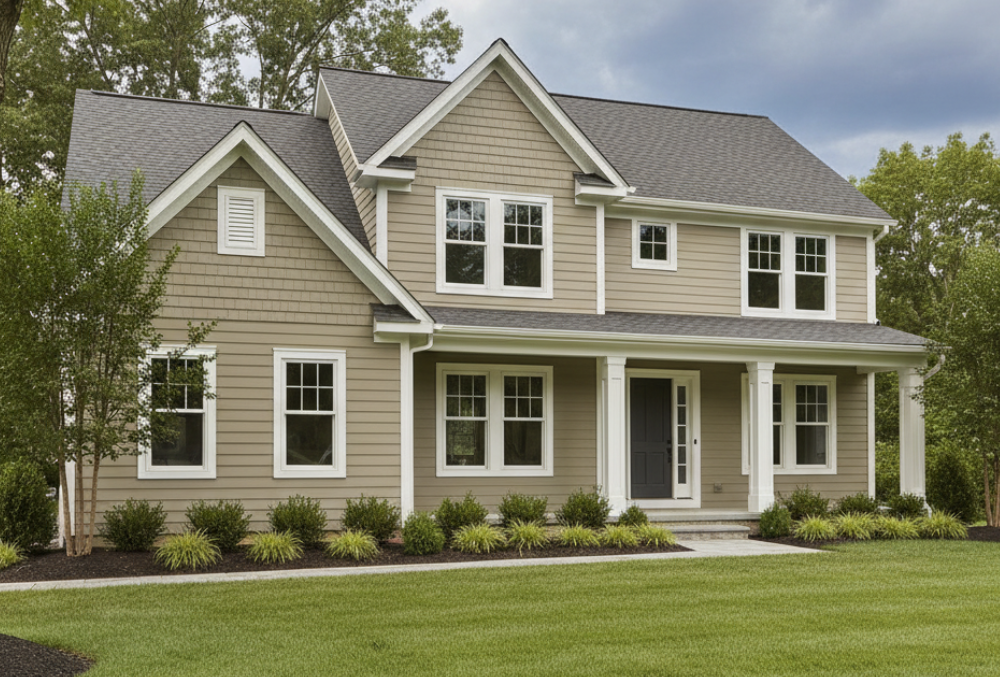
Why Wind-Resistant Siding Matters for New Jersey Homes
If you’ve lived in New Jersey long enough, you’ve seen what wind can do to a home. From coastal nor’easters to inland thunderstorms, siding panels get ripped off, water sneaks in behind seams, and energy bills climb when drafts break through.
Homeowners in Burlington, Camden, and Gloucester Counties know these storms are more than a seasonal inconvenience—they’re a threat to your home’s safety, efficiency, and value.
The good news? Choosing the right siding materials and expert installation can turn your home’s exterior into a storm-ready shield.
What Makes New Jersey Wind Damage Unique
Not all states face the same challenges. New Jersey homeowners deal with a triple weather threat:
-
Coastal exposure – Salt air, storm surges, and relentless wind-driven rain wear down siding faster.
-
Inland storm systems – Sudden microbursts and shifting gusts cause panels to crack, split, or loosen.
-
Strict building codes – NJ requires siding systems that can withstand wind uplift, moisture intrusion, and impact.
The result? If your siding isn’t built and installed for NJ-specific weather, you’re more likely to face costly repairs.
Features of Truly Wind-Resistant Siding
Not all siding is created equal. Here’s what separates siding that lasts from siding that fails:
Structural Durability – Fiber cement and engineered wood flex without splitting, making them storm-tough.
Secure Locking Systems – Reinforced seams and correct fastener spacing keep siding from tearing away.
Water Resistance – Moisture barriers, flashing, and treated materials stop water from rotting your walls.
Impact Ratings – Look for siding tested against flying debris—tree limbs, hail, and storm junk are common in NJ.
Energy Shielding – Foam-backed and insulated siding reduce drafts and keep HVAC systems running efficiently.
Storm Certification – Choose products tested for 110–160 mph winds and approved for NJ code zones.
💡 Pro Tip: Always ask for your siding’s wind-load test data. A great material poorly installed is just a future repair bill.
Top 5 Siding Materials for New Jersey Storms
Here’s how the leading siding options compare for South Jersey homes:
| Material | Wind Resistance | Maintenance | Cost Range | Best For |
|---|---|---|---|---|
| Fiber Cement (James Hardie) | Up to 130+ mph | Low | $$$ | Coastal or high-wind areas |
| Engineered Wood (LP SmartSide) | High (flexible) | Moderate | $$–$$$ | Wood-look homes, inland areas |
| Premium Vinyl | 100–120 mph | Low | $–$$ | Budget-conscious upgrades |
| Insulated Vinyl | 120–160 mph | Low | $$ | Energy savings + wind durability |
| Composite / Specialty (Resysta, Everlast) | Extreme | Very Low | $$$$ | Exposed coastal or sustainability-focused homes |
1. Fiber Cement Siding
Made from cement, sand, and cellulose fibers, fiber cement siding is one of the most storm-proof materials available. James Hardie’s HardieZone products are tailored for Northeast weather and can resist winds above 130 mph. It’s moisture-, pest-, and fire-resistant, making it ideal for coastal NJ homes.
Consideration: Heavier material that requires expert installation.
2. Engineered Wood Siding
Engineered wood combines the look of real wood with enhanced resilience. It’s treated to resist decay, pests, and moisture while staying lightweight and flexible—an advantage in high-wind conditions.
Best for homeowners who want a traditional wood look without traditional maintenance.
3. Premium Vinyl Siding
Vinyl siding is common in NJ, but not all vinyl is equal. Premium grades with thicknesses above 0.046 inches and reinforced seams hold up far better in storms than builder-grade panels.
Tip: Proper installation is critical. Poor fastening makes even premium vinyl vulnerable.
4. Insulated Vinyl Siding
Foam-backed vinyl siding adds rigidity and increases energy efficiency. The insulation layer strengthens the siding against wind lift and impact while helping lower heating and cooling bills.
This is a top choice for South Jersey homeowners balancing storm protection and energy savings.
5. Composite & Specialty Siding
High-tech composites (like Resysta) use eco-friendly blends of minerals, rice husks, and polymers to create siding built for harsh coastal zones. These options resist warping, salt spray, and UV damage, making them excellent for homes exposed to Atlantic weather.
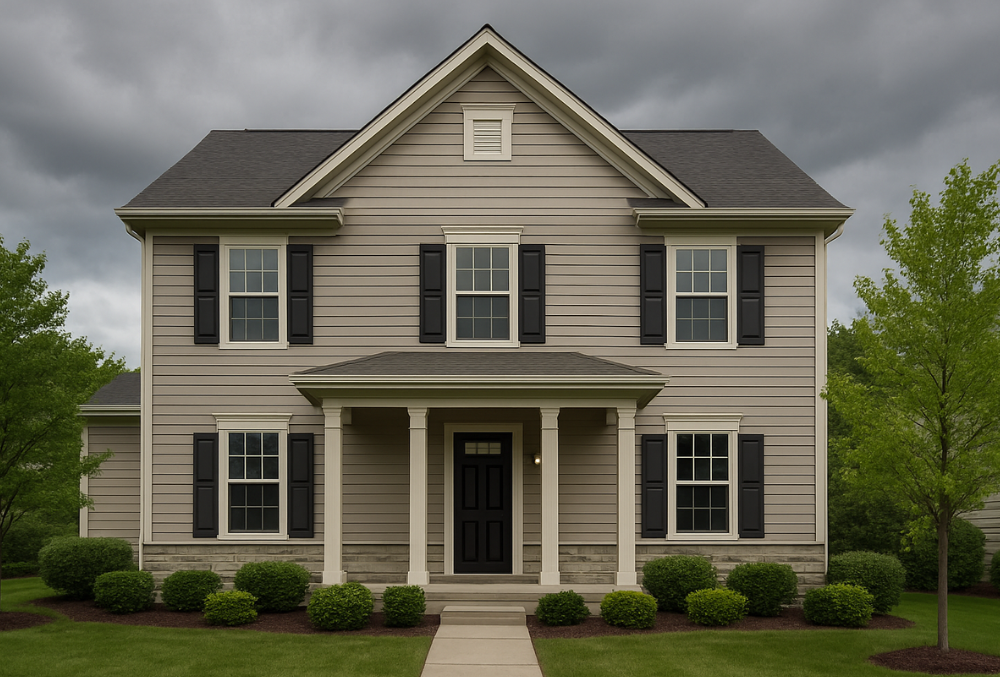
The T.A. Hughes Approach: Built for NJ Storms
At T.A. Hughes Roofing & Siding, we don’t just install siding—we prepare your home to withstand the unpredictable.
Here’s how we do it:
-
Local Expertise: 35+ years protecting homes in Burlington, Camden, and Gloucester Counties.
-
Certified Materials & Installers: James Hardie, CertainTeed, and premium vinyl/composites, installed by manufacturer-trained crews.
-
Storm-Proven Results: Backed by strong warranties and seasonal inspection services.
-
Customer Story:
“After the nor’easter last fall, our fiber cement siding held up perfectly—while neighbors needed repairs.” — Homeowner, Gloucester County
Ready to protect your home? Schedule a free siding wind inspection today.
Local Trust Factors You Can Count On
-
Licensed & insured NJ contractor
-
35+ years serving South Jersey homeowners
-
Dozens of 5-star reviews on Google & Yelp
-
BBB accredited & GAF-certified
-
Fast emergency response when storms hit
“We don’t just install siding—we build your home’s first line of defense.” — T.A. Hughes III
Conclusion: Don’t Let the Wind Win
Storms are getting stronger, but your siding doesn’t have to be a weak point. With the right materials and expert installation, your home can stay protected, efficient, and beautiful—year after year.
Proudly serving Burlington, Camden, and Gloucester Counties.
Book your free siding consultation today with T.A. Hughes Roofing & Siding.
FAQ
Q: What siding is best for high winds in NJ?
A: Fiber cement, insulated vinyl, and engineered wood are the strongest choices, especially with professional installation.
Q: Can vinyl siding survive a New Jersey storm?
A: Yes—premium vinyl rated for 100–160 mph winds performs well when properly fastened.
Q: How much wind can fiber cement siding handle?
A: James Hardie fiber cement siding is rated for winds over 130 mph depending on installation.
Q: Does siding improve energy efficiency?
A: Insulated siding helps reduce drafts, increase R-value, and lower utility costs.
Q: Why choose a local contractor like T.A. Hughes?
A: Local experts understand NJ’s wind codes, climate zones, and storm patterns—plus they’re available when emergencies strike.