South Jersey weather is tough on homes. We get it all: baking sun in July, hurricane-force winds in September, and freezing salt air in January. Many homeowners in Camden and Gloucester Counties notice their siding looking tired—faded colors, loose panels, or even cracks from hail.
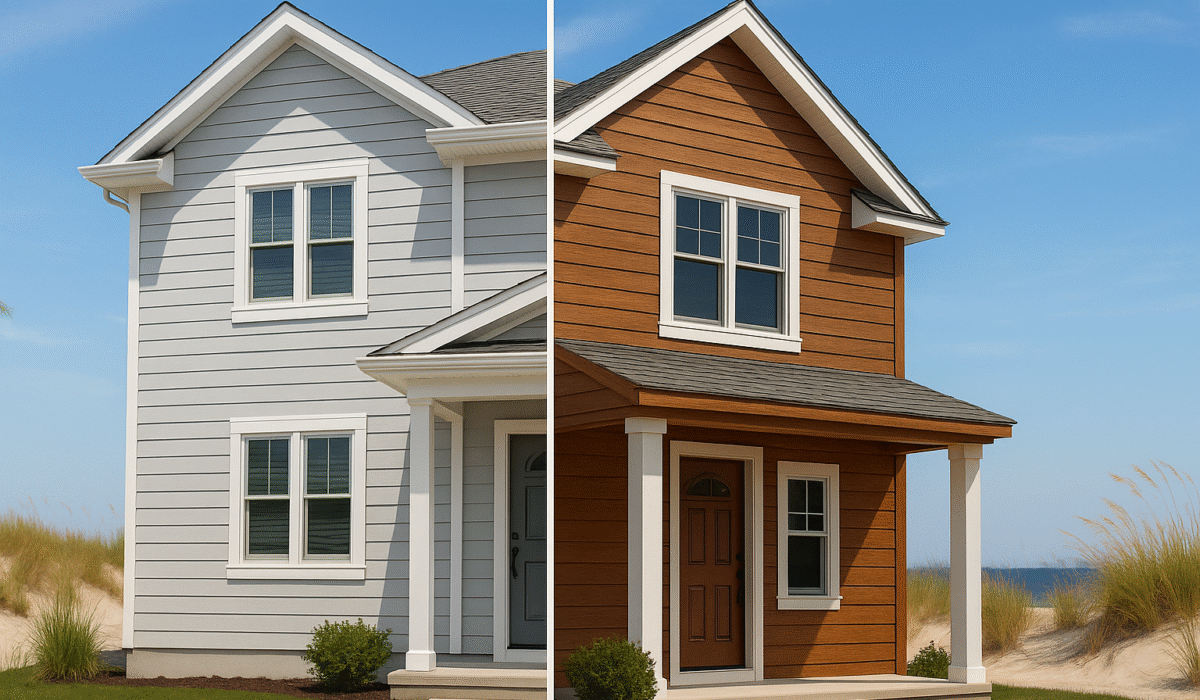
When it’s time to replace your exterior, you usually have two main choices: traditional Vinyl Siding or modern Fiber Cement (often called Hardie Board).
Both have pros and cons. As your local exterior experts, T.A. Hughes III is here to break down which one handles our specific “Coastal Plain” climate best.
The Contenders: What Are They?
-
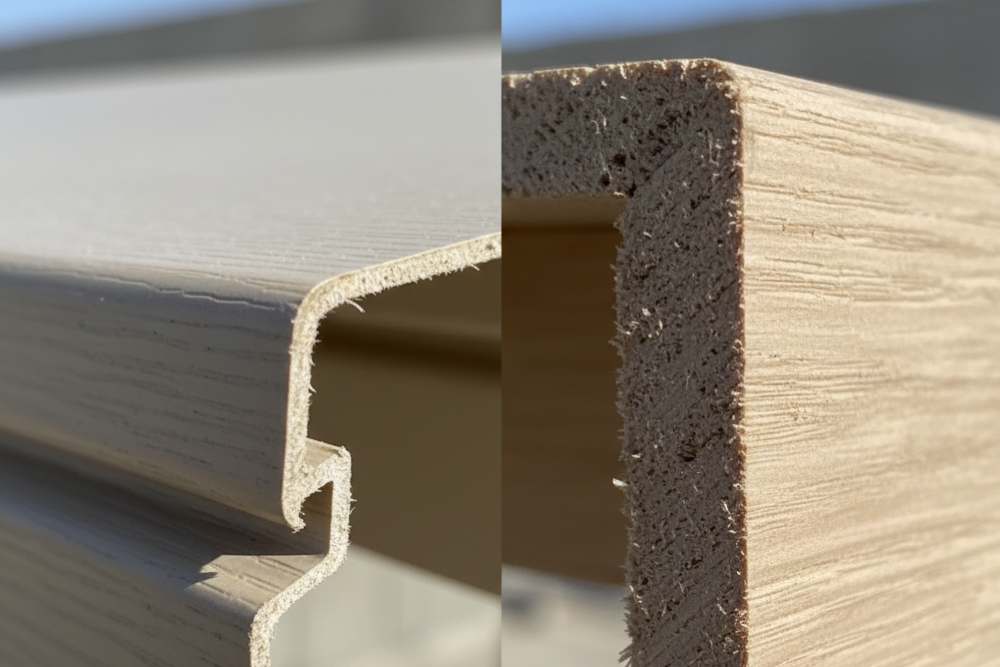
Vinyl Siding: This is the most popular choice in New Jersey. It is made of durable plastic (PVC). It is lightweight, cost-effective, and has come a long way since the 1970s.
-
Fiber Cement: This is a heavy-duty material made of cement, sand, and cellulose fibers. It looks and feels like real wood but is built like concrete to survive harsh elements.
Round 1: Surviving “South Jersey Storms” (Wind & Debris)
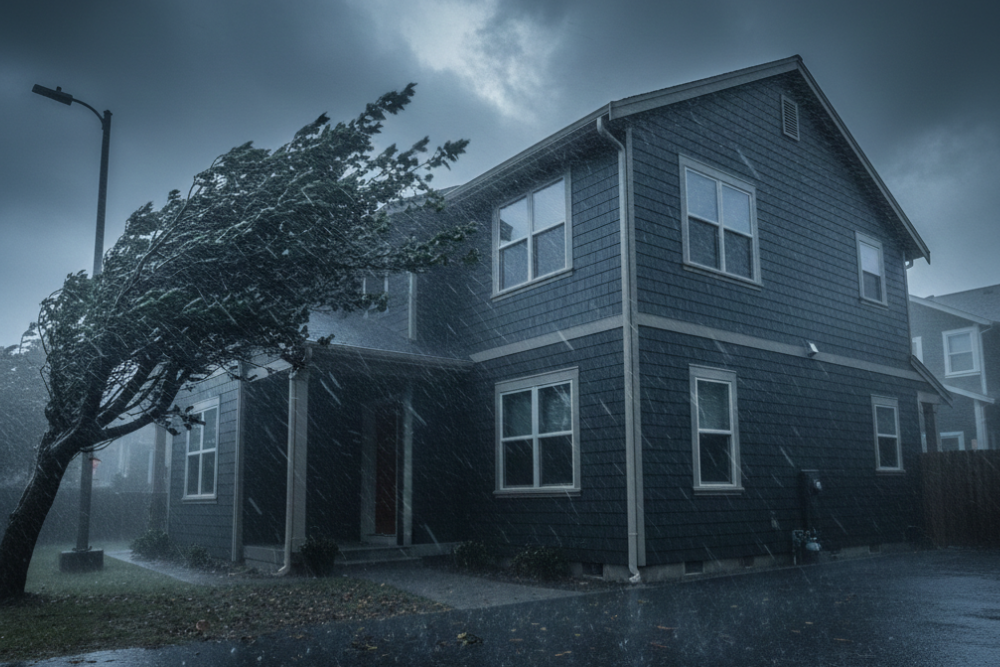
Vinyl: Modern vinyl is rated for high winds, often up to 110 mph. This handles most summer thunderstorms in Cherry Hill or Deptford. However, in extreme Nor’easters, lightweight panels can sometimes rattle or rip off if they weren’t nailed perfectly.
Fiber Cement: This material is heavy and rigid. It is often rated for winds up to 150 mph. Because it is solid, it does not rattle in the wind. It is also highly resistant to impact, meaning a flying branch or hailstone is less likely to crack it compared to standard vinyl.
Winner: Fiber Cement wins for pure strength.
Round 2: Dealing with Salt Air and Humidity
Even miles inland in Burlington County, salt air and high humidity can cause issues for home exteriors.
-
Vinyl: Vinyl is completely immune to salt. It is plastic, so it will never rust or rot. However, in very humid, shady spots (like under big oak trees), vinyl can grow mold or algae that needs to be washed off.
-
Fiber Cement: This product is also rot-proof and immune to salt spray. It is engineered specifically for wet climates to resist warping and shrinking, making it a great choice for our humid summers.
Winner: Tie (Both are excellent for moisture resistance).
Round 3: Aesthetics (Curb Appeal)
Vinyl: Vinyl comes in hundreds of colors. However, because the panels must overlap to keep water out, you will always see “seams” on the side of the house. Up close, it can still look a bit like plastic.
Fiber Cement: This material mimics the look of historic wood clapboard almost perfectly. It has a deep wood-grain texture and no visible overlap seams. It allows for a more “high-end” look often seen in historic towns like Haddonfield, Moorestown, or Collingswood.
Winner: Fiber Cement wins for looks.
Round 4: Cost vs. Value (The Wallet Test)
Vinyl: Vinyl is the budget-friendly champion. It is lighter and faster to install, which keeps labor costs down. If you choose insulated vinyl, it can also help lower your energy bills.
Fiber Cement: This is a premium investment. It costs significantly more upfront (often 2x the cost of vinyl) because the material is heavy and takes longer to install properly. However, it typically adds more resale value to the home.
Winner: Vinyl wins for affordability; Fiber Cement wins for long-term investment.
At a Glance: Which is Right for You?
Why T.A. Hughes III is Your Exterior Partner
Unlike some contractors who only push one product, we help you choose what fits your budget and goals.
-
We Do Both: Whether you want the affordability of vinyl or the strength of fiber cement, we are certified to install it correctly.
-
Whole-Home Approach: We check the “system” behind the siding—the house wrap and flashing—to ensure your new siding doesn’t leak.
-
Local Trust: Serving South Jersey with the same certifications and care we bring to our roofing projects.
Ready to upgrade? Check out our Siding Services in New Jersey.
Frequently Asked Questions
Q: Does fiber cement siding need to be painted? A: Yes, but rarely. Factory-baked colors (like ColorPlus technology) can last 15+ years without fading. In comparison, vinyl color is permanent (the color goes all the way through the plastic), but it can fade slightly over decades.
Q: Is vinyl siding energy efficient? A: Standard vinyl is thin, but we can install insulated vinyl siding which adds a layer of foam to keep your home warmer in winter.
Q: Which is better for a historic home? A: Fiber cement is often approved for historic districts because it looks so much like real wood, whereas vinyl is sometimes restricted in historic overlay zones.
Not Sure Which is Right for Your Home?
If budget is key, go with high-quality Vinyl. If you want the “forever home” look and maximum storm protection, upgrade to Fiber Cement. Let T.A. Hughes III give you a free side-by-side quote so you can decide.