Snow accumulation is not just a surface issue — it’s a structural load.
In South Jersey, winter storms can vary dramatically. One snowfall may be light and fluffy. The next may be wet and dense, placing significant weight on your roofing system.
This calculator helps you estimate how much snow load your roof may be carrying and whether it could be approaching structural limits.
South Jersey Siding System Assessment
Determine whether your siding needs maintenance, targeted repair, partial replacement, or full system replacement. Built around real-world South Jersey climate conditions and structural risk factors.

Seasonal Maintenance Scheduler
Create a customized seasonal maintenance plan to keep your roof, siding, and gutters in top shape year-round. Includes tailored tasks for each season to protect your property and prevent costly repairs.
Why Snow Load Matters
Snow weight is measured in pounds per square foot (PSF).
While most modern roofs are built to meet structural code requirements, several factors influence how safely your roof handles winter conditions:
- Roof pitch
- Roofing material
- Snow density
- Duration of accumulation
- Previous structural repairs or aging
Wet snow can weigh three times more than light powder. Ice buildup adds even more load.
Over time, excessive weight can cause:
- Roof sagging
- Structural stress
- Cracked drywall
- Door and window misalignment
- In severe cases, partial collapse
Most homes never reach failure — but knowing your load risk helps you act early.
How This Calculator Works
This tool estimates:
- Snow load per square foot
- Approximate safe load capacity
- Whether current conditions appear safe or elevated
- Recommended next steps
It considers roof pitch, roofing material, and snow type to provide a practical estimate.
It is not a structural engineering report, but it offers helpful guidance during heavy snowfall.
Roof Pitch and Snow Shedding
Steeper roofs shed snow more efficiently.
Flat or low-slope roofs allow snow to accumulate and retain moisture, increasing total load weight.
Metal roofs typically shed snow faster than asphalt or tile systems.
However, even steep roofs can develop uneven load distribution — especially around valleys, dormers, and lower roof sections.
Wet Snow vs. Dry Snow
Not all snow is equal.
Light, powdery snow may weigh around 0.5 pounds per square foot per inch.
Wet, compacted snow can exceed 1.5 pounds per square foot per inch.
After a storm that transitions from snow to rain, roof load can increase rapidly — even without additional snowfall.
That shift is often when structural stress becomes noticeable.
Warning Signs of Excess Roof Load
If you observe any of the following, professional evaluation is recommended:
- Visible roof sagging
- Creaking sounds in attic framing
- Doors or windows sticking unexpectedly
- Interior ceiling cracks
- Sudden drywall separation
These signs do not always indicate imminent collapse — but they should not be ignored.
Ice Dams and Secondary Risk
Heavy snow combined with poor attic ventilation can create ice dams.
Ice dams trap water beneath shingles, leading to:
- Interior leaks
- Mold growth
- Insulation damage
- Premature roof aging
Snow load stress and ice dam formation often occur together.
What To Do If Load Is High
If the calculator indicates elevated snow load:
- Avoid climbing onto the roof yourself
- Use a roof rake from ground level if safe
- Clear gutters and downspouts
- Monitor interior ceilings for moisture
Professional snow removal may be recommended during prolonged heavy accumulation.
South Jersey Climate Considerations
Our region experiences:
- Nor’easters
- Heavy wet snow events
- Freeze-thaw cycles
- Mixed precipitation storms
Roofs in Burlington, Camden, and Gloucester Counties must handle fluctuating winter conditions — not just snowfall depth.
That’s why structural capacity and ventilation balance matter year-round.
Important Disclaimer
This tool provides an educational estimate based on general structural guidelines.
It does not account for:
- Exact framing design
- Truss spacing
- Previous structural repairs
- Building code variations
- Hidden moisture damage
If you have concerns about your roof’s structural integrity, a professional inspection is recommended.
Plan Before the Storm
If your home is older, has a low-slope roof, or has experienced prior sagging or moisture issues, a pre-winter inspection can prevent emergency situations later.
Roof Lifespan Predictor – Frequently Asked Questions
This planner helps homeowners assess how prepared their roofing, siding, and gutter systems are for severe weather common in South Jersey — including heavy rain, high winds, snow loads, and coastal storm activity. It identifies potential vulnerabilities before storms hit.
Not exactly. While it applies to tropical storms and hurricanes, it’s designed specifically for South Jersey weather patterns — including nor’easters, wind-driven rain, summer thunderstorms, and freeze-thaw cycles.
No. It does not predict damage or guarantee performance. Instead, it highlights areas that may be vulnerable based on system age, condition, and exposure. Storm damage often results from small maintenance issues that go unnoticed.
The most common vulnerabilities include:
• Loose or aging shingles
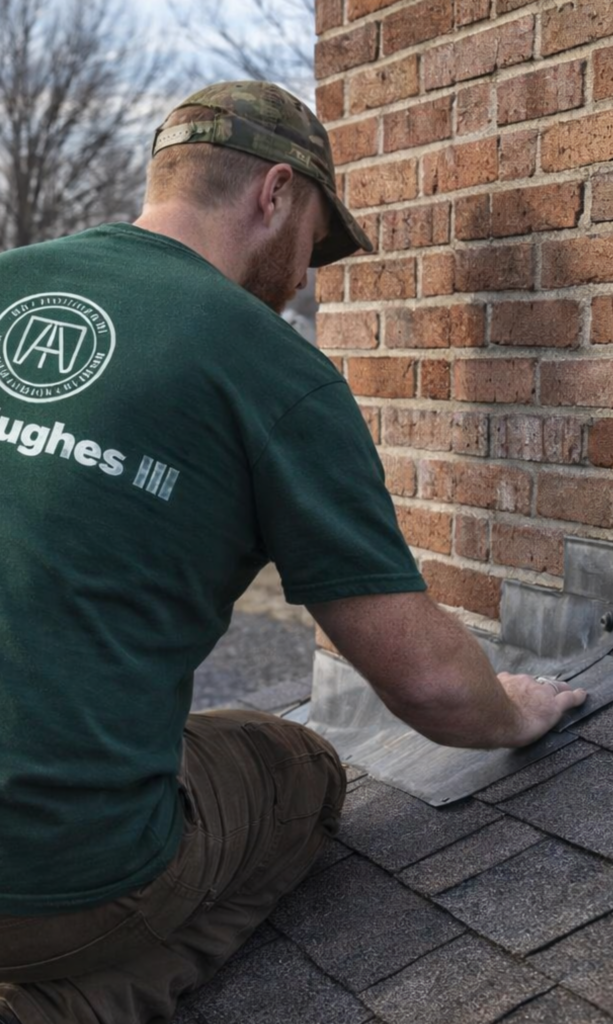
• Improper flashing around chimneys and vents
• Clogged or undersized gutters
• Siding gaps allowing wind-driven rain intrusion
These issues can escalate quickly during severe weather.
Yes. The best time to inspect your exterior systems is before peak storm seasons — late summer (hurricane season) and late fall (winter storms). Preventative inspections can reduce emergency repair costs.
Insurance policies typically cover sudden storm damage, but not deterioration from neglect or lack of maintenance. Keeping your exterior systems in good condition can help prevent claim disputes.
Yes. We provide professional exterior inspections throughout Burlington, Camden, and Gloucester Counties. Our evaluations focus on roof integrity, flashing systems, drainage performance, and siding attachment security.
Need Financing?
Affordable Payment Plans for Your Roofing Project
More Than Just Roofing — Explore Our Full Range of Exterior Expertise
From expert roofing and durable siding to energy-efficient windows and flexible financing, we offer more than just a roof over your head. Our full-service exterior solutions are designed to protect, enhance, and increase the value of your home—backed by the craftsmanship and care South Jersey homeowners have trusted for over 35 years.
Roofing
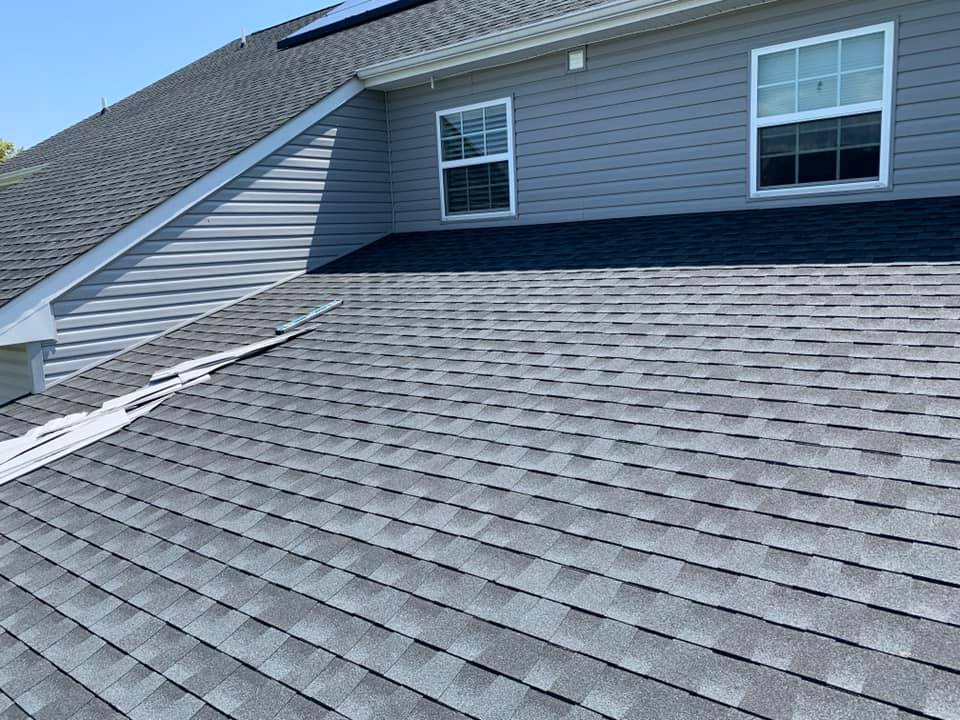
We specialize in full roof replacements, shingle roofing, and storm damage repair using premium materials backed by warranties. Designed for South Jersey weather.
Free estimates. Financing available
Get a Roofing Estimate
Siding
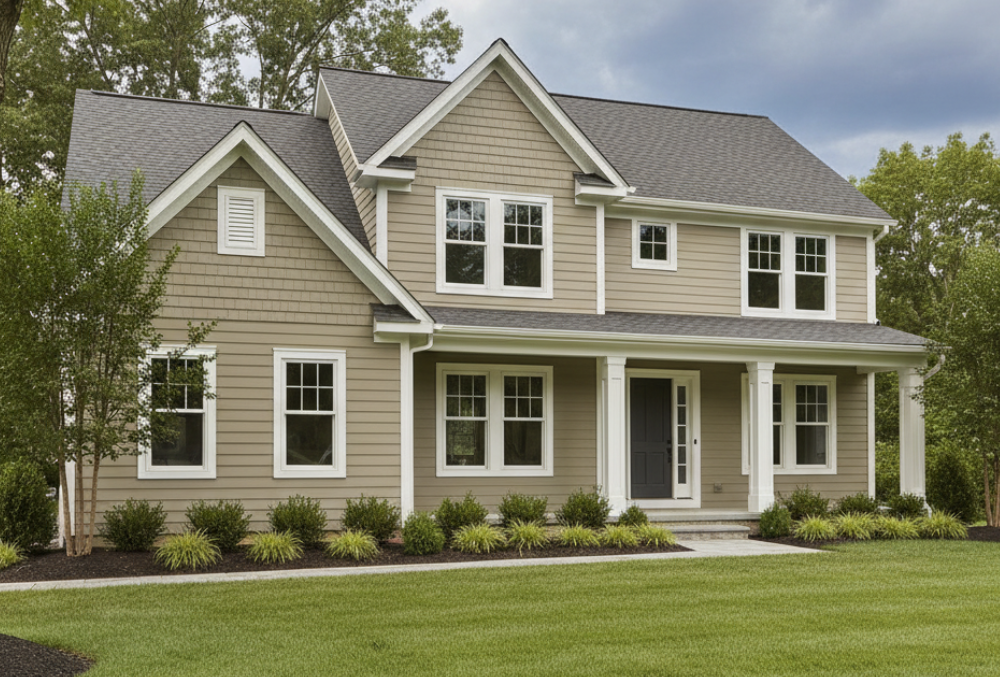
We install vinyl, insulated vinyl, and composite siding that resists South Jersey’s wind and humidity. Color-matched. Long-lasting curb appeal.
Dozens of colors.
Explore Siding Styles
Windows & Doors
Replacement windows and doors that improve insulation, reduce noise, and elevate your home’s look.
ENERGY STAR® Rated. Installed with care.
View Options
Outdoor Structures
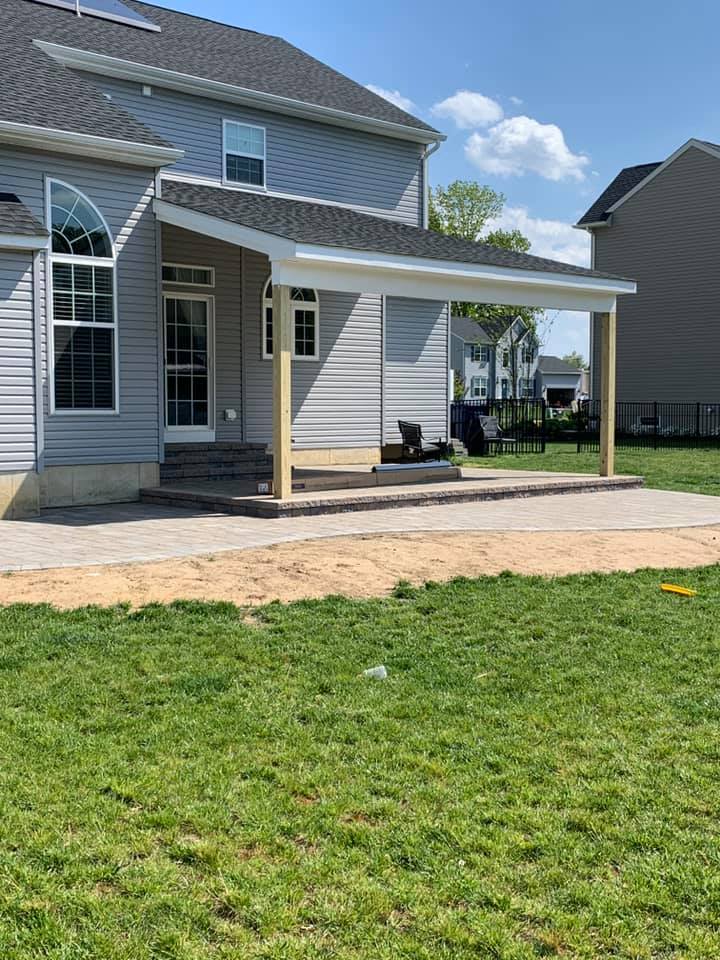
Custom-built outdoor roof structures, porches, and covered spaces that blend seamlessly with your home—built for shade, comfort, and value.
Permits handled. Built to code.
See Outdoor Projects
Financing
Big upgrades don’t have to mean big stress. We offer flexible financing options that help you get the roofing, siding, or exterior improvements you need — without delay.
✔️ Low monthly payments
✔️ Quick approvals
✔️ Work with trusted local lenders
Let’s talk through what works for you — no pressure.
Explore Financing
What People’s Say About
T.A. Hughes III
T.A. Hughes fixed our storm-damaged roof within 24 hours. Honest, reliable, and professional—highly recommend!”
John D.,
“We had new siding and gutters installed—flawless work and excellent communication throughout.”
Lisa R.,
“T.A. Hughes replaced our roof in one day and left everything spotless. Fast, friendly, and super reliable service from start to finish!”